
2026-10-08 · Mike Salazar
Termite Concerns When Buying a Home in Northwest San Antonio
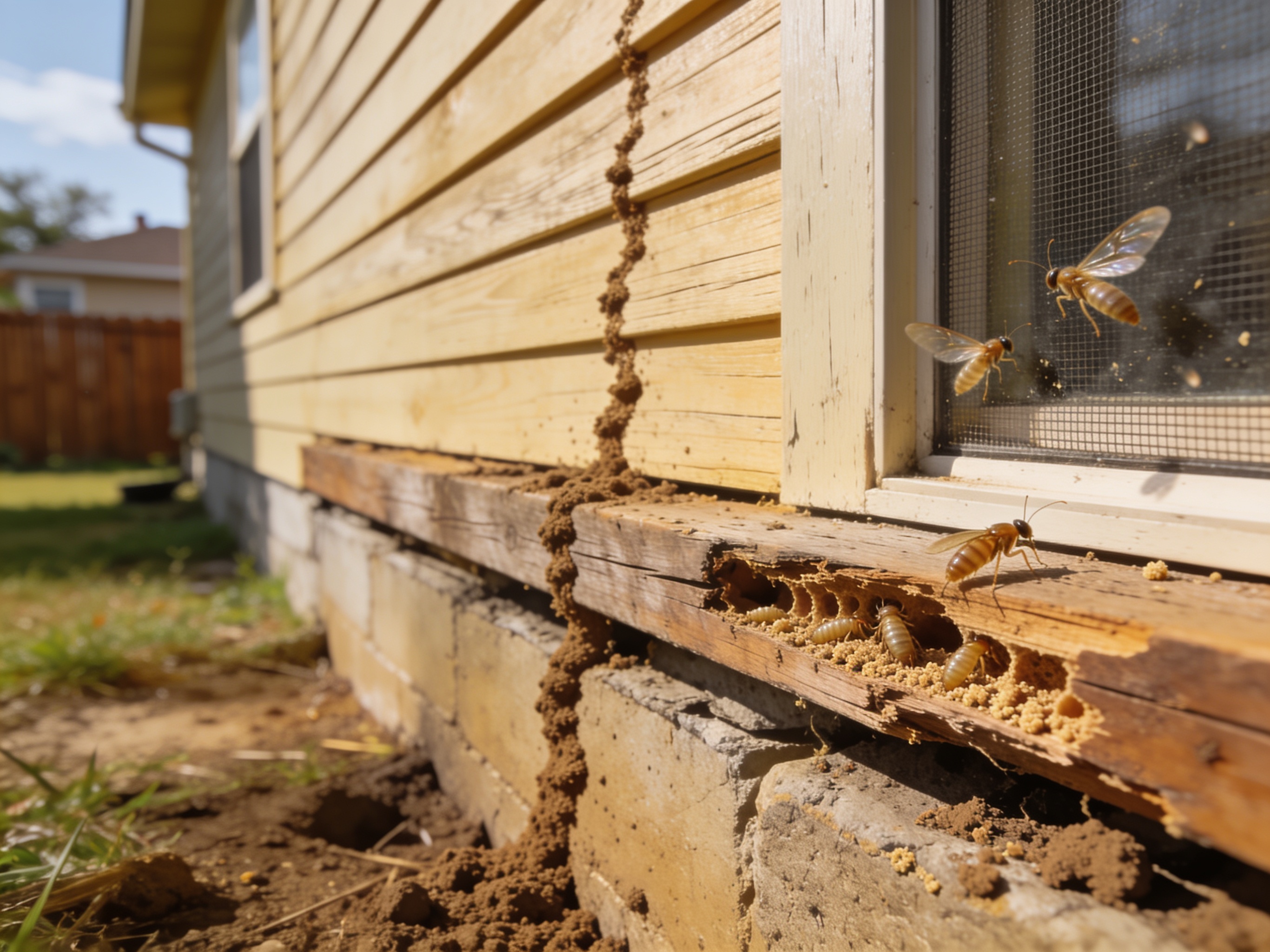
Termite concerns when buying a home in Northwest San Antonio center on the prevalence of subterranean termites that target slab foundations common in 78254 neighborhoods. Homes built before 1990 in areas like Leon Valley often show higher activity because original soil treatments have broken down over time. Buyers should budget for an inspection that checks the perimeter, expansion joints, and utility entry points where these insects enter.
Local Soil and Foundation Factors in 78254
San Antonio 78254 sits on clay-heavy soils that expand and contract with seasonal rains, creating small gaps around slab edges that subterranean termites exploit. Neighborhoods near Helotes and Shavano Park feature many single-story ranch homes with monolithic slabs poured directly on grade, leaving little visual access for early detection. These conditions mean termites can reach framing before visible signs appear on baseboards or door casings. Soil moisture from summer thunderstorms and occasional winter fronts keeps colonies active year-round rather than limiting them to one season. Buyers reviewing properties here benefit from checking whether previous owners maintained any perimeter protection, since untreated soil allows colonies to establish within 3–5 years of construction. The address at 8619 Honiley St serves as a reference point for how close many 78254 homes sit to similar terrain.
Signs to Watch for During Pre-Purchase Walkthroughs
Mud tubes along foundation walls or near weep holes signal active subterranean colonies, especially after recent rain when tubes are rebuilt quickly. Frass piles near baseboards or in attic insulation point to drywood activity that can coexist with subterranean issues in older Leon Valley homes. Home inspectors sometimes miss tubes hidden behind landscaping mulch or under exterior insulation boards added during renovations. Checking attic access for damaged rafters or shelter tubes along plumbing stacks reveals whether activity has moved upward. In 78254 properties with attached garages, scanning the slab-to-wall joint is essential because vehicles often track soil that supports new colonies. These visual checks take only minutes but flag homes needing further evaluation before offers are finalized.
Why a Dedicated Termite Inspection Matters Before Closing
A standard home inspection reviews structure but rarely includes the detailed probing and moisture readings required to map termite galleries. Termite inspection focuses on the specific entry points created by San Antonio’s clay soils and slab construction. In neighborhoods near Leon Valley, inspectors also examine crawl-space vents and pier-and-beam sections that older homes retain. Documentation from this step gives buyers leverage during negotiations and clarifies whether prior treatments were applied correctly. Without it, new owners may discover active damage only after moving in, when repair costs rise because work must occur around occupied spaces.
Termite Damage Patterns Common in Northwest San Antonio Homes
Subterranean termites in 78254 typically follow plumbing lines under slabs and attack sill plates first, removing wood from the interior while leaving a thin outer shell. This pattern appears frequently in homes built between 1975 and 1995 where original soil barriers have degraded. Termite damage to wood often shows as hollow-sounding baseboards or sagging door frames once sheetrock is removed. Drywood termites add separate risk by infesting attic framing and window trim without soil contact. Properties near Helotes with mature oak trees sometimes experience higher drywood pressure because swarming adults land on roofs and enter through small gaps. Understanding these patterns helps buyers anticipate both immediate treatment needs and potential framing repairs.
Next Steps After Inspection Results
When reports indicate activity, buyers can review treatment options such as perimeter liquid applications or bait stations suited to local soil types. What affects the cost of termite control in San Antonio Texas outlines variables like home size, foundation type, and prior treatment history that apply directly to 78254 properties. For homes with crawl spaces, additional guidance appears in resources covering older San Antonio construction. Scheduling treatment before closing allows the new owner to start coverage under an annual plan that includes yearly re-inspections. This sequence protects the investment by addressing colonies while access remains open during any renovation work.